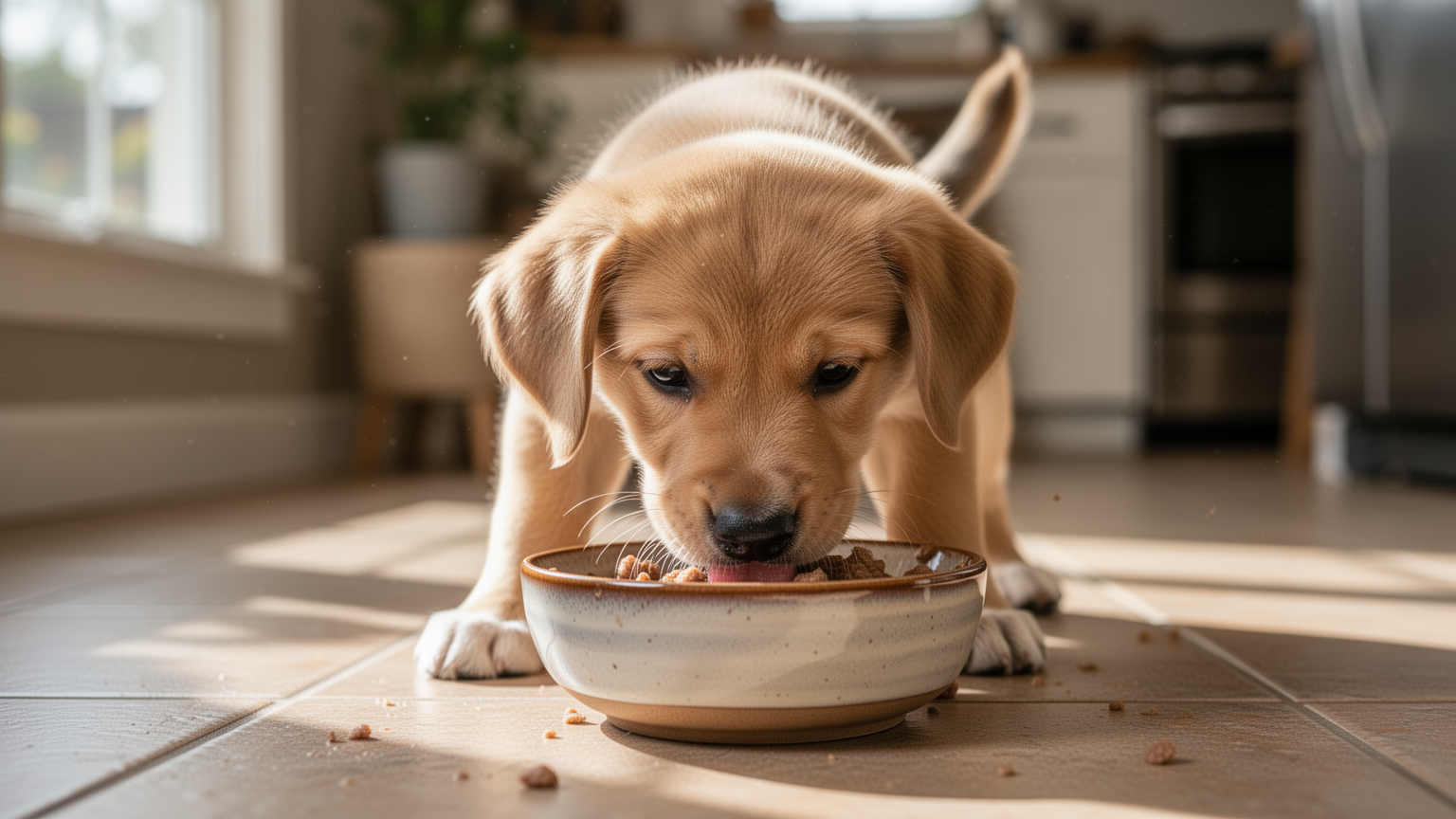
What to Feed Your New Puppy During the First Week and How to Transition Safely
In your first week with a new puppy, you should feed whatever food the previous owner or breeder was already giving them-and then gradually introduce any new food over 7-10 days. This prevents digestive upset while your puppy adjusts to a new home. The most important thing is consistency and patience, not finding the "perfect" food immediately.
If you're adopting from a shelter or rescue, ask what they've been feeding. If you're getting a puppy from a breeder, they'll usually tell you. If you don't have this information, a high-quality commercial puppy formula is a safe starting point-just pick one and stick with it during the transition period.
Why the First Week Feeding Matters
Your puppy is already stressed. They've left their mother, littermates, and familiar surroundings. Feeding them the same food they're used to removes one source of anxiety and keeps their digestive system stable.

When you change a puppy's food too quickly, their gut bacteria hasn't adapted yet. This causes diarrhoea, vomiting, or both-which adds stress for you and discomfort for them. A gradual transition gives their digestive system time to adjust to the new formula.
Getting the feeding routine right also helps with house-training. Puppies on a consistent schedule eat at predictable times, which means they go to the toilet at predictable times. You'll know roughly when to take them outside, which makes your life easier and helps them learn faster.
What to Feed Your Puppy in Week One
The safest choice: whatever they were eating before.
If that's not possible, here's what to look for in a puppy food:
-
Labelled for puppies (or all life stages). Puppy food has different nutrient ratios than adult dog food. Puppies need more protein and calories to support growth.

Quality puppy food should feature named meat sources and age-appropriate nutrient formulations. -
From a recognisable manufacturer. Look for foods that list a named meat source as the first ingredient (chicken, beef, lamb) rather than "meat by-products" or vague descriptions.
-
Wet, dry, or both. Wet food is easier for young puppies to chew, but dry kibble is more practical and economical. Many owners mix small amounts of wet food with kibble to make it more appealing while the puppy settles in.
Avoid these entirely in the first week: - Table scraps or human food - Adult dog food - Raw diets (unless your vet specifically recommends and guides you through them) - Anything with artificial colours or flavours
Sticking to one food type for seven days keeps variables to a minimum. Once your puppy seems settled and their digestion is stable, you can begin a transition to a different food if you want to.
Feeding Schedule and Portions for New Puppies
Puppies can't eat once a day. Their stomachs are small and their metabolism is fast. Here's a typical schedule by age:
| Age | Meals per day | Approximate portion | |-----|---------------|-----| | 6-8 weeks | 4 | 1/4 to 1/2 cup per meal | | 8-12 weeks | 3 | 1/2 to 3/4 cup per meal | | 3-6 months | 3 | 3/4 to 1 cup per meal | | 6-12 months | 2 | 1 to 1.5 cups per meal |
Important: These are starting points only. Portion size depends on your puppy's breed, current weight, and the calorie content of the food. A toy breed puppy will eat far less than a large breed puppy of the same age.
The best guide is the feeding chart on the food package. Most puppy foods include a chart based on your puppy's current weight. Use that, and adjust slightly if your puppy seems too thin or too chubby.
Feed your puppy at the same times each day. This helps with house-training and settles their routine. A typical schedule for a young puppy might look like:
-
7am: breakfast
-
12pm: lunch
-
5pm: dinner
-
9pm: evening meal
You can adjust these times to fit your schedule, but keep them consistent.
Water: Fresh water should always be available. Puppies drink often, especially after meals and playtime.
How to Transition Your Puppy to New Food
If you need to switch foods, do it gradually over 7-10 days. A rushed transition is the main cause of digestive upset.
Days 1-3: Mix 25% new food with 75% old food.
Days 4-6: Mix 50% new food with 50% old food.
Days 7-9: Mix 75% new food with 25% old food.
Day 10 onwards: 100% new food.
If your puppy develops loose stools or vomiting during this period, slow down. Go back a step and spend extra days at that ratio before moving forward. Some puppies need a slower transition than others.
Watch their stool consistency as you go. It should be firm, not runny. If it stays soft for more than a day or two, pause the transition and give their digestion time to catch up.
Foods to Avoid in the First Week
Some common foods are toxic to dogs and should never be fed:
-
Chocolate
-
Grapes and raisins
-
Onions and garlic
-
Avocado
-
Macadamia nuts
-
Foods with xylitol (a sugar substitute)
-
Anything mouldy
Keeping your puppy in a safe, supervised space during the first week makes accidental poisoning less likely.
Also avoid feeding bones, rawhide chews, or tough treats during the first week. Your puppy's jaw is still developing and they might choke or splinter bones. Stick to soft, age-appropriate treats or skip treats entirely while they adjust.
Signs Your Puppy Is Adjusting Well

A healthy, settling puppy shows these signs:
-
Steady appetite. They eat most of their meals without hesitation.
-
Firm, consistent stools. They're using the toilet regularly and the stool is brown and well-formed.
-
Playfulness and energy. They have moments of normal puppy zoomies and interest in toys.
-
Clear eyes and smooth coat. No discharge from eyes or nose, and their fur looks clean and soft.
-
Normal water intake. They drink regularly but don't seem excessively thirsty.
If your puppy has diarrhoea that lasts more than a day, vomits repeatedly, refuses food, or shows lethargy, contact your vet. These can be signs of stress, infection, or food sensitivity that needs professional attention.
FAQ
Q: Should I feed my puppy on a schedule or leave food out all day?
A: Use a schedule. Set mealtimes help with house-training and let you monitor how much your puppy eats. Leaving food out (free-feeding) makes it harder to predict toilet times and can lead to overeating.
Q: How do I know if the food I chose is actually good quality?
A: Look for a named meat as the first ingredient, check that it's specifically labelled for puppies, and see if your puppy's coat and energy are good after a few weeks. Your vet can also recommend foods based on your puppy's individual needs. Don't worry about finding a "premium" brand in week one-consistency matters more than cost right now.
Q: Can I mix wet and dry food together?
A: Yes. Many owners soften dry kibble with a small amount of wet food or warm water to make it easier for young puppies to chew. This is safe and doesn't affect digestion.
Q: What if I don't know what food my puppy was eating before?
A: Call the breeder or shelter and ask. If you truly can't find out, choose a reputable puppy formula and transition carefully over 10 days. Your vet can advise if you're unsure about a particular brand or type.
Q: Is it okay to give my puppy treats during the first week?
A: Stick to their main food for the first week. Once they're settled (around week two), soft, puppy-appropriate treats are fine in small amounts-just don't let them make up more than 10% of daily calories.
Q: My puppy isn't finishing their meals. Is that normal?
A: Some puppies are picky eaters or simply not hungry if they're stressed. Remove uneaten food after 15 minutes and try again at the next mealtime. If this lasts more than a day or two, or if they seem unwell, contact your vet. But a stressed puppy eating a bit less for a day or two is usually fine.
References
American Animal Hospital Association (2022) Puppy Nutrition Guidelines . Available at: https://www.aaha.org (Accessed: January 2024).
Association of American Feed Control Officials (2023) Official Publication . Available at: https://www.aafco.org (Accessed: January 2024).